Today's Opinions, Tomorrow's Reality
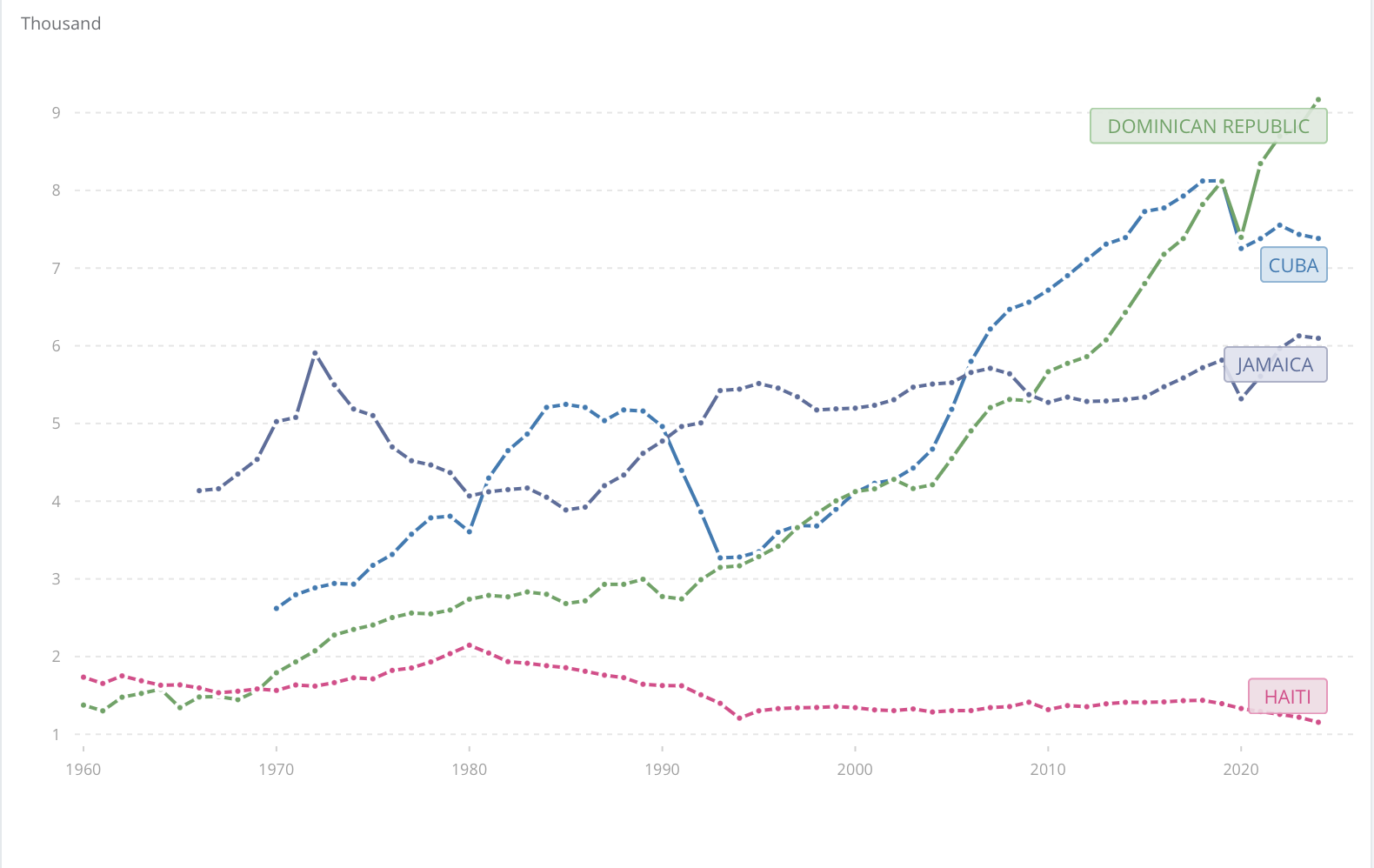
The Least Bad Option By David G. Young Washington DC, May 26, 2026 -- Dreams for Cuba's future have fallen terribly over the past century. When America's occupation of Cuba came to an end after the Spanish-American war in 1902, the island seemed poised for greatness. Freed from Spanish colonial rule to trade with other nations, Cuba enjoyed one of the highest incomes in Latin America, built on exports of sugar, tobacco and coffee. Vestiges of this early wealth are still visible today in the historic buildings of Cuba's once great cities of Havana, Santiago and Cienfuegos. The cracked facades of the Venetian-style mansions are all over the west side of Havana. But Cuba's expected rise was thwarted by its dysfunctional relationship with its wealthy American neighbor across the straight of Florida. Instead of taking is place amongst America's wealthiest nations, the last century has seen a dramatic decline. Today's Cuba is a shell of I what it was a century ago. In 1920, it was the most populous, urbanized and richest country in the Caribbean, albeit with much inequality. In recent years, a mass exodus has seen its population fall to under 11 million and be surpassed by both the Dominican Republic and Haiti which both have about 12 million residents. With little money for maintenance, Its once great cities are now densely populated ruins.
Cuba's per capita income has also fallen in recent years and failed to keep up for many decades. Meanwhile its neighbors' incomes have grown more steadily. It is no surprise that US territory of Puerto Rico has far surpassed Cuba to have the highest per capita income in the Greater Antilles, it is not the only island to have done so. The former backwater of the Dominican Republic is now richer than Cuba by almost any measure. Even Jamaica is steadily closing the gap.1 God help Cuba if it falls behind Haiti to be the premiere basket case of the Western Hemisphere. Casting blame for Cuba's decline is always politically charged. Lefty Americans join Cuba's rulers in blaming America's economic embargo (worsened very recently by President Trump's bullying Mexico and Venezuelan into ending oil supplies and exacerbating an energy crisis.) Centrist and right-wing Americans are more likely to blame Cuba's governing communist dictatorship and its repressively dysfunctional policies. Clearly, there is plenty of blame to go around. This blame game is as old as the Cuban nation. As soon as American troops has left Havana in 1902, Cuban nationalists were writhing at the terms of its independence — the US naval base in Guantanamo and the US right to intervene in its affairs. Close ties to the US nevertheless continued, and the Great Depression dragged Cuba down along with its giant neighbor. Wherever you point your finger, it's hard not to feel sorry for Cuba given its awful decline and even more enormous fall from what might have been. Even under the absolute best case scenario where Cuba's dictatorship soon falls and democracy manages to take hold, Cuba will struggle for decades just to repair its crumbling infrastructure and feed its people. A tourist boom would help stabilize the nation as a place to come see cool old buildings and enjoy the beach. If it's lucky, it might even surpass the tourist economy of the Dominican Republic. But even this best case scenario is a far cry from what dreams for the island a century ago. Unfortunately, this best case scenario is far from assured and not even likely. In the past week, the US Justice Department has filed murder charges against Cuba's retired President Raul Castro2 who reportedly retains unofficial powers. Then Secretary of State Marco Rubio echoed Trump's threatened military action to resolve the crisis,3 suggesting a possible Venezuelan-style action to replace the head of the regime with a more pliable underling. What such a leader might do is anyone's guess. But it is not hard to imagine a post-communist kleptocracy where real estate development plots are handed out to Trump and his cronies while the wealthiest of Miami's Cuban exile community buy up anything else of value for pennies on thee dollar. Maybe this won't happen. Maybe things will limp along as they are: regular blackouts, collapsing buildings, fleeing refugees, widespread hunger and political repression. Pity Cuba, whose best hope for the future is in seeking its least bad option. Related Web Columns: Betrayed to the Communists, November 25, 2025 Notes: 1. World Bank, GDP in Constant US Dollars for Cuba, the Dominican Republic, and Jamaica, as posted May 26, 2026 2. New York Times, U.S. Charges Former Cuban President Raúl Castro With Murder, May 20, 2026 3. Guardian, Rubio Doubtful of Diplomacy With Cuba as Trump Renews Threat of Military Action, May 22, 2026 |
 SITE
INDEX SITE
INDEX |
|
 |
Home |
|
|
Archives |
|
Identity
Theft |
|
Social
Security |
|
Canadian
Drugs |
|
Iraq |
|
|
|
Search |
|
Travel Pages |
|
Central
Asia |
|
Guatemala |
|
India |
|
Peru |
|
|
|
Personal |
|
Summer Calendar |
|
Feedback |
 |